Louisville’s arts scene is a vibrant mix of Broadway tours, symphony concerts, neighborhood festivals, gallery exhibitions, and school programs. Behind much of this activity is Fund for the Arts, a nonprofit dedicated to sustaining and strengthening the region’s arts ecosystem.
For more than 75 years, Fund for the Arts has raised funds, distributed grants, and championed programs that make arts and culture accessible to the entire community. Guiding that mission today is interim President and CEO Brett Shepherd, a longtime advocate for Louisville’s arts and cultural institutions.
We caught up with Brett for an interview to hear more about Fund for the Arts.
Listen to the interview below:
Shepherd has stepped into the leadership role while Fund’s Board of Directors finalizes the plan for its next permanent president, continuing to oversee initiatives that connect artists, organizations, schools, and neighborhoods throughout the city.
A Career Rooted in Louisville’s Arts Scene
Shepherd’s connection to Louisville’s arts community began in childhood. “I’ve always felt that the arts are the true pulse of Louisville,” he said. School field trips to theaters, museums, and music halls helped spark his lifelong appreciation for creative expression.
After building a career in nonprofit development, Shepherd joined Kentucky Performing Arts, where he led major fundraising initiatives, including the campaign for Old Forester’s Paristown Hall. He also remained active in Louisville’s independent music scene, previously booking
shows at venues such as Zanzabar, Headliners Music Hall, and the historic Brown Theatre with
his friend, Nathan Clark, as Shark Productions.
In 2022, Shepherd joined Fund for the Arts, bringing expertise in fundraising and community engagement to an organization central to Louisville’s arts ecosystem. “Coming on board at Fund for the Arts was a true homecoming for me,” he said. “It’s a dream to work with an organization that touches so many facets of our creative community.”
Investing in Louisville’s Arts Organizations
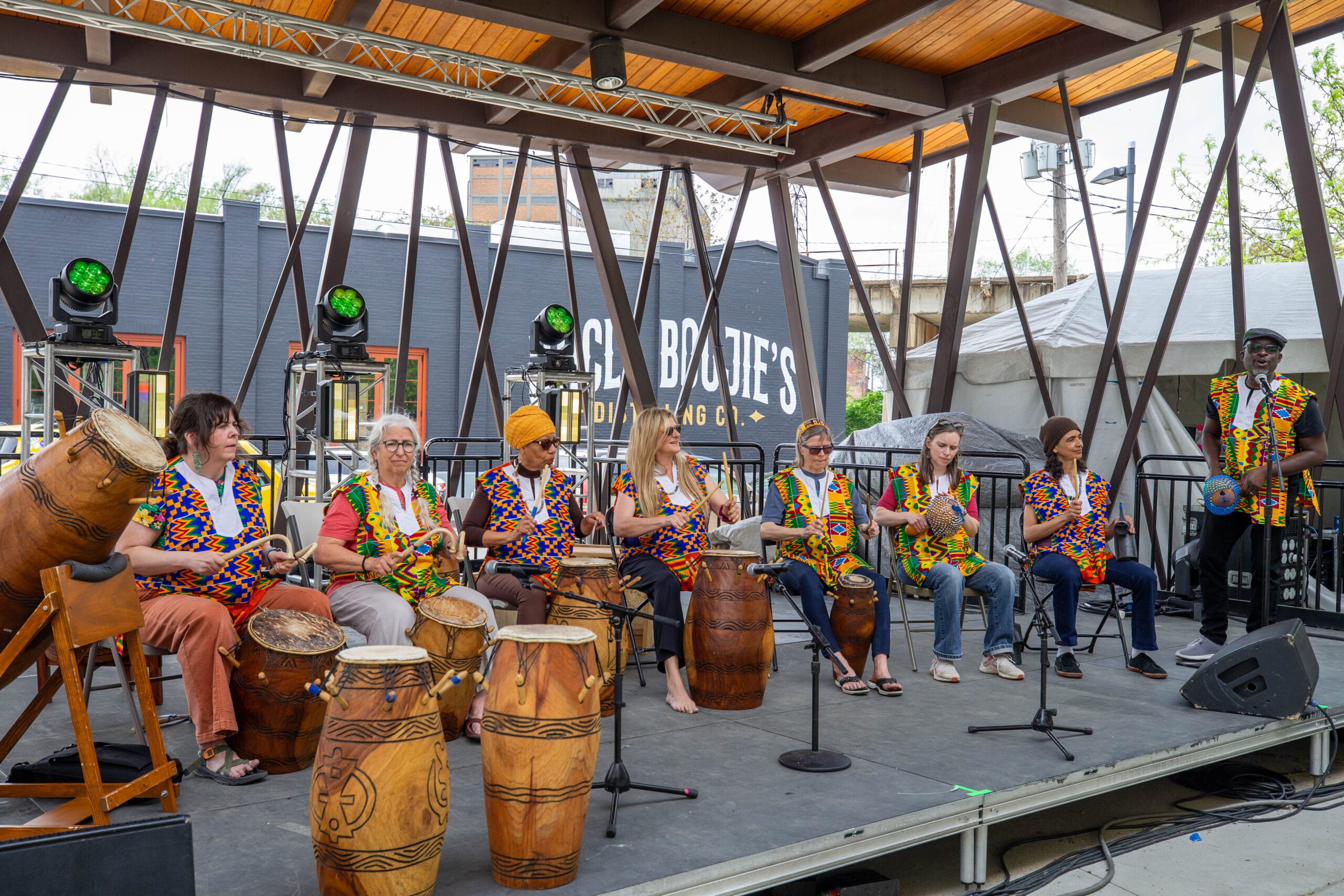
Fund for the Arts serves as both a fundraising organization and a grantmaker. Each year, it collects support from corporations, foundations, and thousands of individuals before working with community members to distribute those resources to artists, events and arts organizations throughout the region.
The Sustaining Impact Grant program is one of its most significant investment programs. It provides unrestricted operating support to arts organizations, allowing flexibility for staffing, programming, and operations. “These grants let organizations focus on what they do best: connecting with the community,” Shepherd said.
Last year, Fund for the Arts distributed $2 million to 26 organizations, ranging from small nonprofits to major institutions. Grants are awarded through a structured review process by arts professionals and community leaders, some from outside Louisville, ensuring a diversity of perspective.
“Our goal is to sustain the arts ecosystem and help organizations thrive, not just survive,” said Shepherd.
Bringing the Arts to Local Neighborhoods
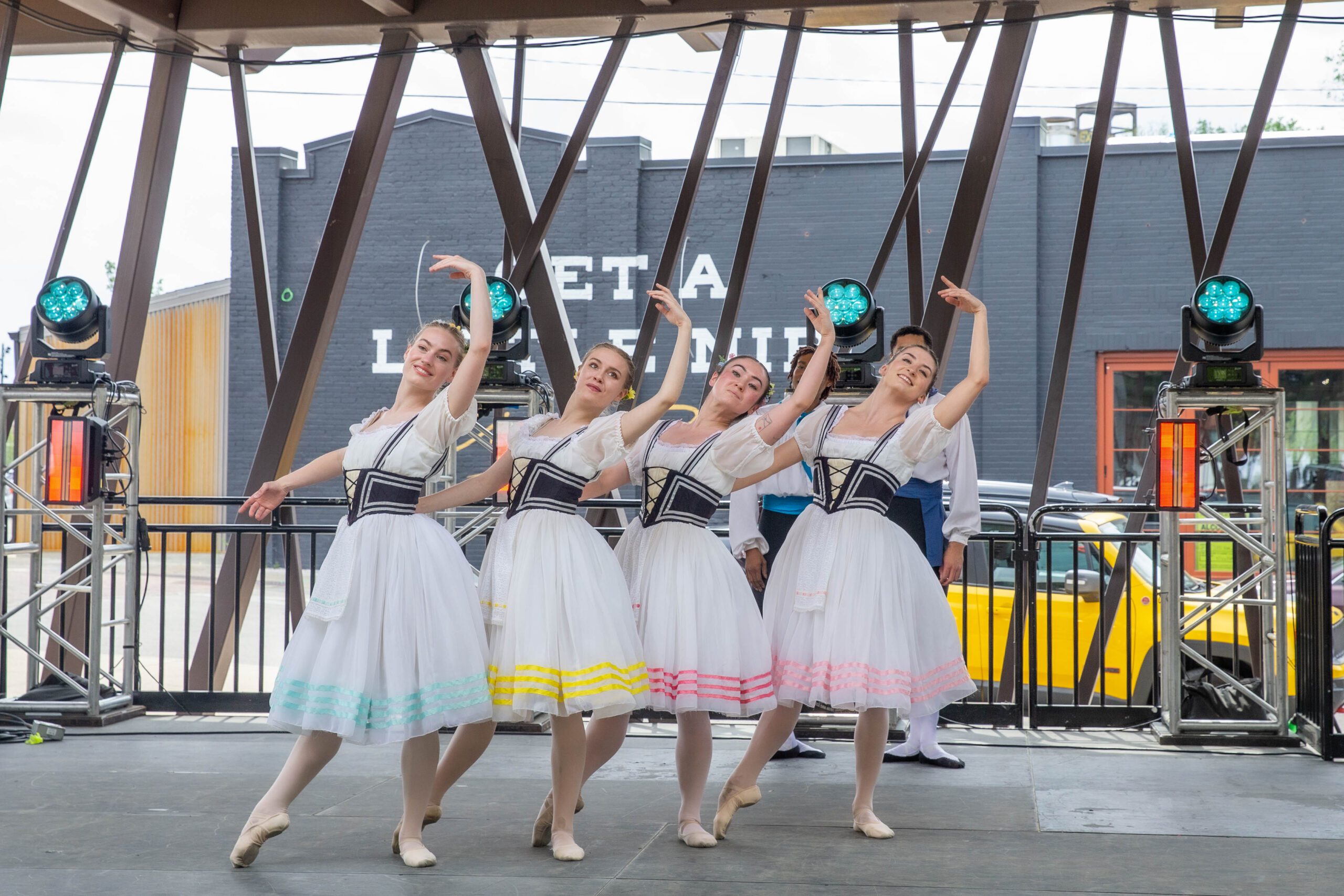
Beyond large institutions, Fund for the Arts is investing in community-based programs. The Arts in Neighborhoods initiative brings arts programming directly into neighborhoods through the Community Event Mini-Grant Program, offering grants of $500 to $5,000 for free local arts that engage and impact community through art.
“Many organizations asked if there was a way to fund smaller-scale projects meaningful to their communities,” Shepherd said. “These grants help create free, accessible events that foster collaboration and creativity across neighborhoods.”
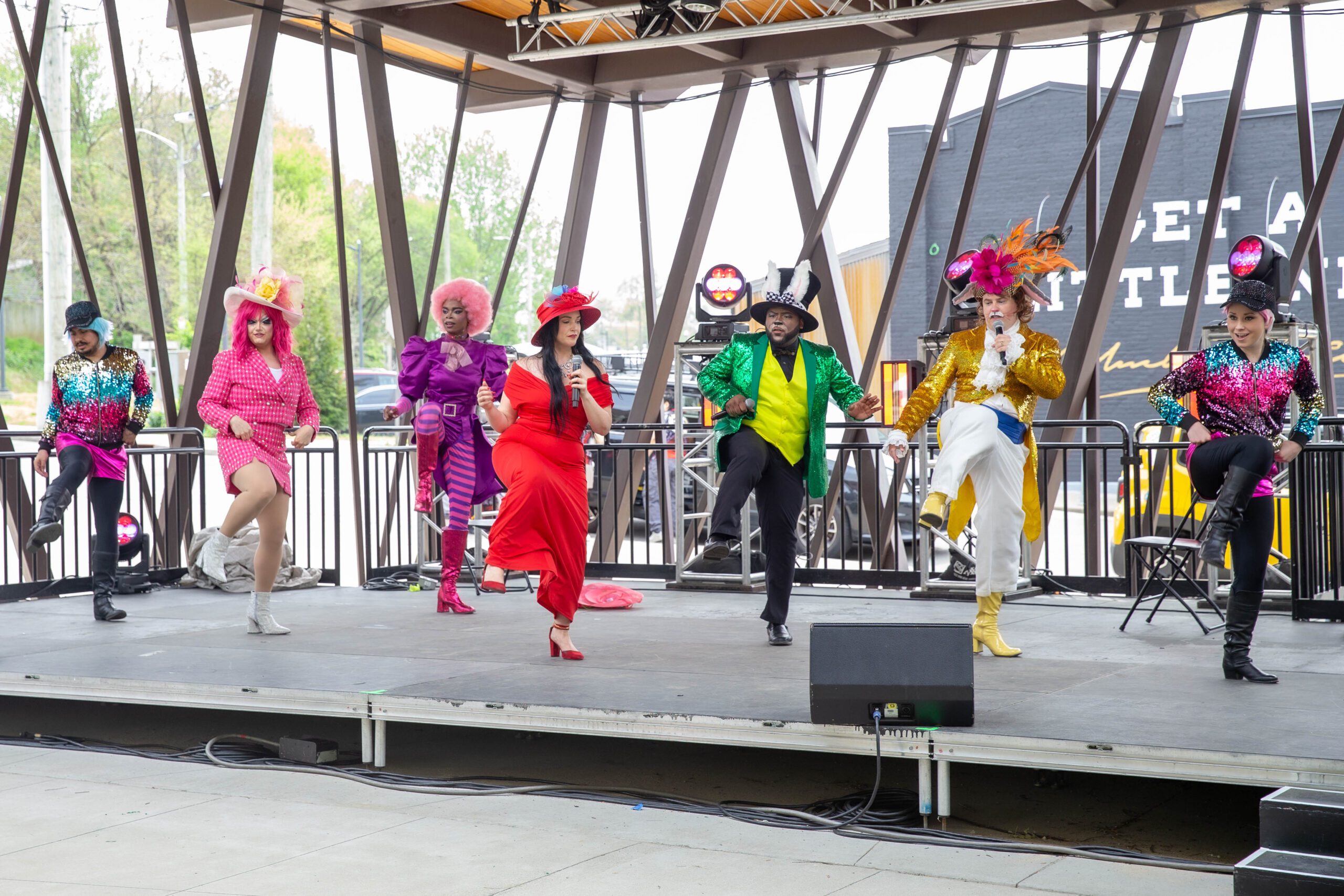
The program has sparked partnerships that might not have happened otherwise, bringing performances, workshops, and festivals to residents throughout Louisville. Support from LG&E and KU Energy helps expand the initiative’s reach and accessibility.
Introducing Young People to the Arts
Fund for the Arts also supports youth engagement through its Cultural Pass, which allows young people up to age 21, along with a parent or guardian, to visit over 50 participating arts,
culture, science, nature, and heritage institutions for free.
“Cultural Pass is about more than access — it’s about building curiosity, confidence, and lifelong appreciation for the arts,” Shepherd said. The program, developed in partnership with the Fund, Louisville Metro Government, Louisville Free Public Library, Arts and Culture
Alliance, Kentuckiana Cultural Consortium, and Southern Indiana’s regional libraries, has become a national model for youth arts engagement.
The Cultural Pass app, introduced last summer with support from the Humana Foundation, makes it easier for families to track visits and explore participating venues. The traditional paper pass remains available, ensuring accessibility for all participants.
Supporting Arts Education
Arts education is another cornerstone of Fund for the Arts’ work. Programs like 5×5 in our elementary schools and TAG (Teacher Arts Grants) in middle and high schools, bring teaching artists into classrooms and support field trips to cultural institutions. Every year, thousands
of students in the region have their first exposure to professional artists, museums, or live
performance of any kind thanks to these grants, which make the entire experience free and
accessible.
“Arts education enriches the curriculum, boosts confidence, and fosters problem-solving skills,” Shepherd said. Yet, demand for arts programs often exceeds funding. This year, schools requested nearly $400,000, the Fund for the Arts distributed about $184,000.
While the Fund works to ensure that investment can go as far as possible, its leaders hope to expand that funding pool in the future, so that more of those grant requests can be fulfilled.
Measuring Impact Beyond Numbers
While funding totals and attendance figures are important, the true impact of arts initiatives often shows in more personal ways: neighbors coming together at local events, students discovering creative passions, and audiences experiencing the thrill of live performance.
Shepherd emphasizes the broader community benefits: “The arts are not just entertainment — they are a connector, a tool for well-being, and a way to strengthen our city.” Programs across neighborhoods, schools, and cultural institutions reinforce social bonds, support mental health, and build shared experiences.
Looking Ahead
Fund for the Arts’ board transition committee is actively working on next steps regarding a permanent president and CEO. In the meantime, Shepherd and his team remain focused on strengthening the city’s creative ecosystem and expanding access to arts programming.
Closing the gap in arts education funding is a top priority, ensuring every school requesting programs receives full support. “We want to sustain and grow Louisville’s arts sector and provide world-class experiences for everyone,” he said. “The arts truly are the pulse of our city, and we aim to keep that pulse strong for generations to come.”
By Doug Dreisbach